When it comes to sneakers, size matters. But what happens when you try to cram your feet into a shoe that’s meant for someone else? In today’s world of fast fashion and quick fixes, it’s easy to get caught up in the excitement of trying out new kicks without considering the most important factor: fit.
As any sneakerhead knows, sizes vary from shoe to shoe. It’s not just a matter of the brand or style, but also the material, design, and even manufacturing process that can affect how a shoe fits on your foot. So, what does this mean for us sneaker enthusiasts? Is there really such a thing as a one-size-fits-all solution?
Let’s take the Nike Air Force 1, for example. This classic sneaker has been around since the 1980s and has built a loyal following over the years. But if you ask anyone who’s worn them, they’ll tell you that sizes run differently depending on the colorway or material used. Maybe the white ones are more generous than the black ones, while the patent leather versions are tighter overall. It’s like trying to find a needle in a haystack – every shoe is unique, and what works for one person might not work for another.
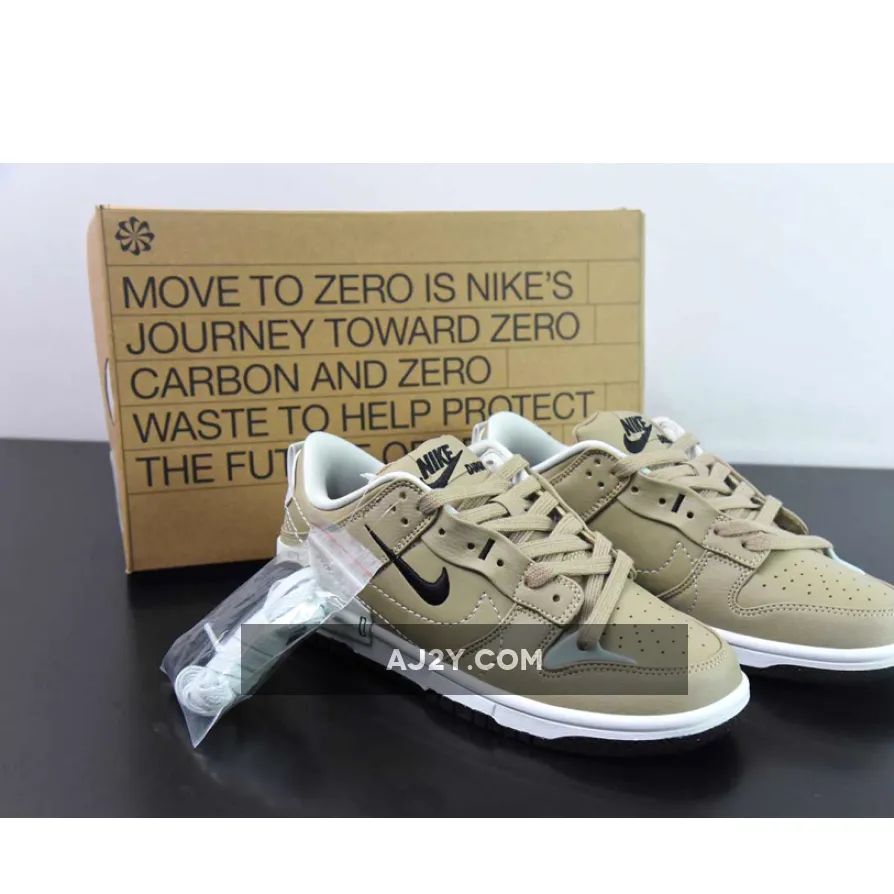
And then there’s the Nike Dunk. This skate-inspired sneaker has gained popularity among sneakerheads and skaters alike, thanks to its versatile design and affordable price point. But again, sizes can vary depending on the colorway or material used. Maybe the tan ones have a slightly wider toe box than the black ones, while the white ones are more narrow overall.
But what about other brands? Do they follow the same rules as Nike when it comes to sizing? The answer is no. New Balance, for instance, has its own unique fit profile that can vary from one style to another. Maybe their running shoes have a slightly roomier toe box than their walking shoes, while their basketball shoes are tighter overall.
So what’s the takeaway here? Should you just throw in the towel and accept that sneaker sizing is a mystery? Not necessarily. Here are a few tips to help you find your perfect fit:
- Know your measurements: Take the time to measure your feet accurately using a Brannock device or a ruler. This will give you a baseline to work from when trying on shoes.
- Try before you buy: Whenever possible, try on shoes before buying them. This is especially important for high-end or hard-to-find sneakers that might not be easily returnable.
- Don’t be afraid to size up or down: If you’re between sizes, don’t be afraid to try a size up or down to see what feels more comfortable. It’s better to err on the side of caution than to end up with a shoe that’s too tight or too loose.
- Consider the brand and style: As we’ve seen, different brands and styles can have their own unique fit profiles. Keep this in mind when trying out new shoes, and don’t be surprised if you find that one brand fits differently from another.
In conclusion, sneaker sizing is a complex issue that’s influenced by a variety of factors, including the brand, style, material, and manufacturing process. While there may not be a one-size-fits-all solution, being aware of these factors and taking the time to try on shoes before buying them can help you find your perfect fit. So the next time you’re tempted to give up on finding the right shoe, remember: it’s worth the extra effort to get the fit just right.