When it comes to Nike, most people associate the brand with top-notch quality, innovative designs, and a strong reputation for excellence. However, what happens behind the scenes in their factories abroad has sparked controversy and curiosity among consumers. One such country where Nike operates is Vietnam, which has become a significant player in the global footwear industry.
Vietnam’s low labor costs, skilled workforce, and strategic location have made it an attractive destination for many international brands looking to expand their production capacities. In fact, according to the World Trade Organization (WTO), Vietnam is now one of the world’s largest shoe manufacturers, with over 300 factories operating in the country.
Nike, being a prominent player in this industry, has set up several manufacturing facilities in Vietnam to cater to its global demand. While some might view this as a cost-effective solution for the brand, others may raise concerns about working conditions, labor rights, and environmental impact. As consumers, it’s essential to delve into the reality of Nike’s Vietnamese factories.
Firstly, let’s talk about the positives. Vietnam has made significant strides in improving its manufacturing infrastructure, including upgraded equipment, better working conditions, and a more skilled workforce. Many local workers have gained valuable experience and expertise from working with international brands like Nike, which has created a pool of talented laborers that can be tapped into for future projects.
Regarding labor rights, Vietnamese law requires factories to adhere to certain standards and regulations regarding employee welfare, safety, and fair compensation. While there might still be some room for improvement in this area, many local workers have reported satisfactory working conditions, decent pay, and a reasonable work-life balance.
However, concerns about environmental impact and sustainability also cannot be ignored. Vietnam’s fast-paced economic growth has led to increased industrialization, which can result in pollution and ecological degradation if not managed properly. It is essential for Nike (and other brands) to adopt environmentally friendly practices and implement sustainable manufacturing processes that minimize the negative effects on the environment.
Now, let’s address some of the concerns surrounding Nike’s Vietnamese factories. Critics argue that labor costs are so low in Vietnam that workers may be underpaid or overworked to compensate for the brand’s competitive pricing strategy. While it is true that wages might not be as high as those in Western countries, local laws and regulations ensure fair compensation and working conditions.
Another concern is the lack of transparency about Nike’s Vietnamese factories. As consumers, we crave openness and accountability from brands regarding their manufacturing processes and supply chains. While Nike does provide some information about its global supply chain, more can be done to shed light on specific factory operations and address concerns about labor practices and environmental impact.
In conclusion, while there might still be areas for improvement in Vietnam’s manufacturing sector, the country has made significant progress in terms of infrastructure, labor rights, and environmental sustainability. As consumers, we should support brands like Nike that invest in local communities and strive to create positive change through their operations. By staying informed about global supply chains and advocating for greater transparency and accountability, we can help drive meaningful improvements in the manufacturing sector.
Sources:
- World Trade Organization (WTO). (2020). International Trade Statistics.
- Vietnam Investment Review. (2019). Vietnam becomes world’s largest shoe manufacturer.
- Nike Inc. Corporate Social Responsibility Report 2019.
- Transparency International. (2020). Corruption Perceptions Index.
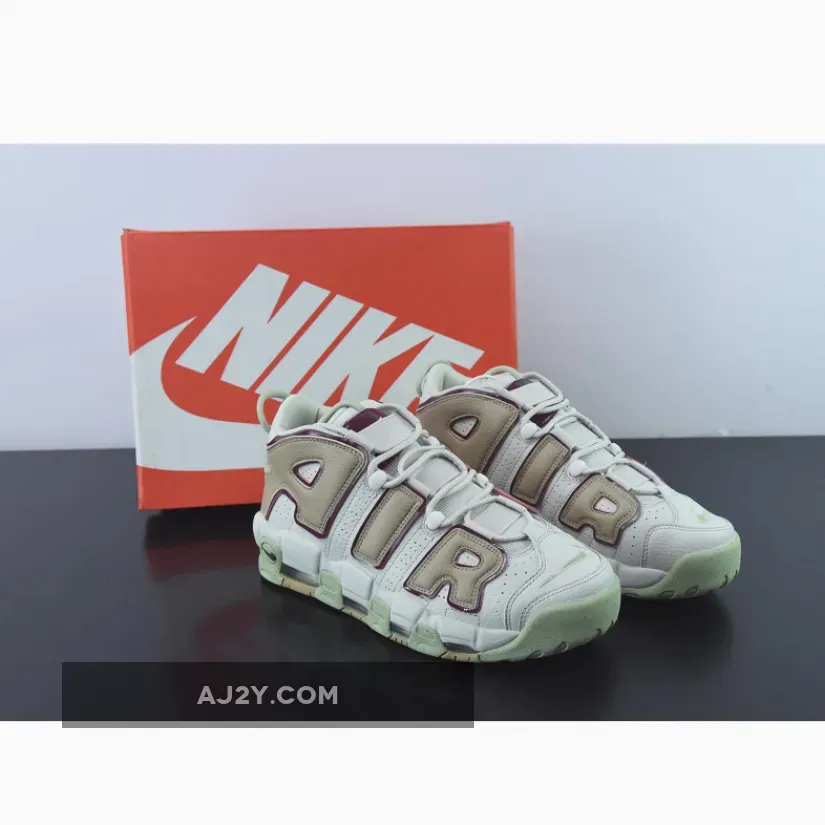 CLICK HERE TO Buy : Nike Air More Uptempo Tan Mint Green / Alligator Nikes DX8955-001